

Contact Us at 917-860-2782 or vshtainer@compass.com

Real Estate Trends

Home Features New Yorkers Will Pay Extra For

Smart Home Features

Sellers are often hesitant when it comes to upgrading a home before the sale. This is understandable considering that they won’t be living there. Besides, remodeling and staging a home can be expensive, so it is important to ensure any investment is put towards features/finishes that will likely reap a return. A home upgrade done wisely can help you sell your NYC home faster and for a much better price. Namely, there are certain home features New Yorkers will pay extra for. Hence, sellers with a tight remodeling budget should focus primarily on those features.

Must-have home features New Yorkers will pay extra for

Energy Efficient Features

It’s not a secret that New York is a pricey city. Energy efficiency is one of the home features New Yorkers will pay extra for precisely because it saves a ton of money in the long run.  Naturally, home buyers who want to limit their utility bills are drawn to energy-efficient properties. But that’s not the only type of buyers interested in this home feature. Due to the increased environmental concerns, energy efficiency has become a priority unrelated to cost-trimming. Energy efficient heating and air conditioning, eco-friendly appliances, low emission windows and extra insulation are all among the home features New Yorkers pay extra for.

Technologically Advanced Features

Today’s home buyers, especially the younger generations, are rapidly adapting smart home technology and are willing to spend extra cash on it. Smart home features are no longer found only in NYC’s most expensive homes. They have become more common and affordable to the average buyer. Tech-savvy buyers look for things like high-tech, programmable thermostats they can control via different mobile devices, key-less locks they can access via Bluetooth, and total programmable entertainment systems.

Pet-friendly Home Features New Yorkers Will Pay Extra For

The number of proud pet owners in NYC is increasing. Many home buyers are willing to pay extra for a pet-friendly home. Although keeping pets like cats or dogs is not allowed everywhere, buildings with pet amenities can be found across the city, including some of Manhattan’s most prestigious neighborhoods. Things like integrated crates, gates and built-in bowls are more sought-after than ever before. Amenities such as dog washing salons, spas, dog training studios and indoor playrooms where dogs can mingle even if it’s rainy outside are some of the features dog lovers look for these days.

Storage Space

Space in NYC comes at a premium. Square footage is expensive; space is a luxury many New Yorkers dream of having. Therefore, they are willing to pay extra for a home that provides enough storage space for their belongings. Even if it’s a small home we’re talking about, there are ways to add storage space in every room and make it more functional. Internal storage in the form of cupboards and shelves is something buyers appreciate, as well as closets that have been upgraded by the likes of California Closets to maximize usage of space. A suburban home with under-house storage, a large shed or garage is also likely to attract buyers who are willing to pay extra.

Walk-in Closet

Speaking of storage space, a walk-in closet in a master bedroom is becoming one of the features home buyers want most. While singles want to keep all of their clothes, shoes and accessories in one place, couples often want more closet space because they will be sharing it. A walk-in closet also makes it easier to organize your stuff and provides a cleaner look. So, if the home you are selling does not have this feature, consider converting a smaller room into a custom walk-in closet.

Walk-in Pantry

A walk-in pantry is a must-have kitchen feature, especially for families with children. A lot of kitchens lack space for storing things like non-perishable food items and kitchenware. While reach-in closet pantries provide limited space, a walk-in pantry offers a larger, better organized storage area just a few steps away from the food preparation area, making it a perfect extension for your kitchen.

Hardwood Flooring

In comparison to carpets, hardwood is both more durable and easier to maintain. Pure hardwood flooring can last a lifetime when maintained properly. Engineered wood flooring is a cheaper option you might want to consider when working with a tighter budget, whether you are preparing to sell or buy a home in NYC, especially if the money you'll need for your NYC move does not leave you much choice.

Multiple Entertainment Areas

Many buyers like to have more than one room where they can spend time with their family and friends. If you are a buyer who wants multiple living/entertainment areas, you’ll need to pay extra for this feature. Afterwards, you can get your piano to Manhattan with ease, add some comfy sofas, and create an elegant area ideal for entertaining guests.

Outdoor Space

It is not only the home’s interior NY buyers are interested in. Living in a concrete jungle sure makes you appreciate greenery and outdoor space. Thus, a backyard, rooftop deck, terrace, or even a tiny balcony can increase the price of a home significantly. And if the balcony comes with a beautiful view - even better.

5 Common Questions About Making a Home Investment

5 Common Questions About Buying a Home

Buying a home is one of the largest decisions and financial transactions in many people’s lives. Because this is the largest financial asset for most many, anxiety and stress can cloud the decision-making process. Questions such as the following often  – Is this the right decision for me? Is this the home I should be investing in? Is now a good time to buy, or should I wait?

Whether a first-time home buyer, or a seasoned real estate investor adding to your portfolio, questions arise during every transaction. In our experience working with buyers, sellers, renters, and investors across all experience ranges, here is a list of the most common questions we get asked when it comes to investing in a home. 

WAS THE HOUSING CRISIS DURING THE FINANCIAL CRISIS JUST A BLACK SWAN EVENT TO BE PUT BEHIND US, OR DID IT SHOW THAT HOMES ARE NOT SAFE AND PROFITABLE HOLDINGS?

The Financial Crisis of 2008 changed the psychology of nearly everyone as it relates to finances and purchasing decisions. This has been more pronounced with Millennials.

Not all those that purchased homes during the crisis of ‘08 were negatively impacted, however, the ripple effect did bring down the overall market. Those that were hit hardest were buyers that stepped up to buy properties they could not afford, largely amplified by mortgage lenders who had much more relaxed lending guidelines and approved individuals for mortgages they could not truly afford. The latter was largely responsible for the subprime mortgage crisis during this time period.

The crisis revealed the dangers of over leveraging. While a mortgage can be a great thing, taking on too much debt can lead to many issues, especially in a home purchase. A large majority of those severely wiped out by the housing crisis mortgaged the purchase of the home with minimal equity down, thus they had no skin in the game so to speak and we were willing to just walk away from their payments as a result. This is why so many homes went into foreclosure.

Any market, financial or otherwise, is subject to a crisis, however, the housing crisis has resulted in more restrictions imposed on lenders and is certainly more prevalent in the back of buyers’ minds as they asses what they can afford.

While interest rates on mortgages are once again at historic lows, it is important to understand the true monthly payment costs and the tradeoffs associated with various mortgage products and increasing your down payment. We sat down with a Mortgage Expert to ask some questions – read more here.


NOW THAT HOME VALUES HAVE RECOVERED, WHAT'S THE SMARTEST HOME OWNING STRATEGY GOING FORWARD? IS IT SAFE TO ASSUME A HOME WILL STEADILY APPRECIATE?

Plain and simple – buy what you can afford! Consult with a mortgage advisor to receive a pre-approval letter if you are financing your home purchase. The pre-approval letter will reveal in what price range you should be shopping.

Time horizon is certainly a contributing factor to price appreciation. Because of the additional costs of a real estate transaction, a timeline of at least 5 years is usually a standard outlook to outweigh the costs of buying versus renting. In Manhattan the rent vs. buy analysis is more complex given pricing – we are happy to help guide you on what makes the most sense given your personal scenario depending on income, timeline, and down payment. This, of course, varies from market to market, and even neighborhood to neighborhood. If you envision yourself staying put for quite a while, we tend to see real estate prices appreciate over a long-time horizon.

IS IT SAFE TO ASSUME THE HOME WILL BE A SUBSTANTIAL ASSET FOR FUNDING RETIREMENT THROUGH A DOWNSIZING OR REVERSE MORTGAGE?

Owning a home is credited as one of the largest contributions or “escalators” to wealth. With that being said, substantial price appreciation can be observed on homes owned for multiple decades. Upon retirement, some individuals do not need the large family home they used to raise their families and downsize. Downsizing generally results in additional gains pocketed from the price appreciation of the original home versus the price paid for the new, smaller home. Essentially, downsizing is a way to pull out the equity that has accumulated over time as a result of homeownership. Equity is one of the reasons that homeownership contributes so much to an individual’s wealth!

Again, this is very market dependent as a smaller home in a different market may not equate to a smaller price tag all the time.

As to whether the additional “income” from a home sale can fund retirement, that is something the client should consult their certified financial advisor in regard to as everyone’s financial situation and needs in retirement vary.

AS A YOUNG INVESTOR, WHAT DO I HAVE TO DO TO ENSURE I WILL BE ABLE TO SUCCESSFULLY PURCHASE A HOME?

For many young couples looking to purchase their first home, the largest obstacle in achieving that is coming up with the down payment. There has been a definite shift towards this being a large struggle over the last decade as more and more young couples are burdened with large amounts of student debt given the increased costs of education. They are then forced to rent, which can be costly, and have minimal bandwidth to save for a down payment with all their various financial obligations.

A minimum 5-year timeline is reasonable in most markets in order to cover the costs of the transaction on both the buy side and the sell side if moving down the road versus price appreciation over that timeframe. Of course, the longer one stays in the home, the more the transaction costs are spread out over time which is coupled with additional time opportunity for price appreciation.

It does not necessarily always make sense to reach for the most expensive home. If buying the most expensive home they can afford means tapping out their budget and being on the line with meeting monthly expenses, this is probably not the wisest decision. Instead, buyers should look to purchase something in their price range that they love yet still allows them to live their daily lives while meeting financial obligations.

WHAT KINDS OF MISCONCEPTIONS AND FEARS ARE YOU SEEING IN THE MARKET AMONG ALL YOUR CLIENTS?

Working with buyers in the current NYC market, we would identify a lack of urgency as the biggest commonality across different price points. Buyers have an advantage over sellers in the current market as well as a large selection of inventory including both resale and new construction. This can lead buyers to stretch out a search as they feel what they are looking for will “still” be there. Additionally, macroeconomic events such as the political climate, a possible Trade War with China, and Stock Market volatility contribute to Buyers’ hesitancy to leave rentals and make a purchase.

In New York City specifically, the market is also feeling the impact of local laws related to Rentals as well as increased Mansion Taxes. The latter progressively increases the Mansion Tax depending on the sale price of the property. Buyers in the $2-$5M range are likely feeling the impacts of the increased taxes the most.

In regard to young people taking on debt – as referenced in some responses above, we think the young buyer’s mentality towards debt has definitely changed living through the financial crisis as well as coupled with the increasing amount of student debt. As a result, some can be apprehensive to take on additional debt with a mortgage. However, talking through some of the advantages of mortgages, such as tax benefits, as well as reviewing the myriad of products available with a mortgage broker can alleviate some of these upfront concerns. We are seeing younger people having to rent longer than their predecessors given the inability to save for a down payment rather than aversion to taking on debt in the form of a mortgage.


Manhattan Market Update: Halfway Through 2019

Manhattan Q2 Market Report

Manhattan - First of the year was a mixed bag if you collectively look at Q1 and Q2. Q1 got the year off to a slower start when looking at the market on a year-over-year (YoY) basis, however, Q2 finished with a 31% increase in sales compared to Q1 and a 7% increase YoY. This yearly increase in sales volume was the first time for Manhattan in nearly 18 months.

So what is driving the real estate market, and what do we expect as we think about the rest of 2019?

Taxes:

At both a national and local level, taxes have been a huge influence on the luxury market thus far in 2019 and will likely continue to be so. From a National, perspective, the reduction of State and Local Taxes (SALT), have certainly had an impact in a high-tax marketing like Manhattan. Some benefits of homeownership such as tax deductions have been reduced as a result of the new Federal tax laws.

On a local level, the passage of a new Progressive Mansion Tax can be observed in Q2, but we likely have not seen the full brunt of the impacts this may have on the higher end of the market - $10M+. The increase of YoY sales volume for Q2 2019 can likely be attributed to Buyers that pushed up closings in to late June to avoid the new, increased, progressive taxes that took effect as of July 1, 2019.

Furthermore, after July 1, the Manhattan market went nearly 3 weeks without a property over $10M going in to contract. If this is any indication of the Progressive Mansion Tax’s impact on the luxury market, it is certainly not favorable. This will be a key trend to monitor for the remaining part of 2019, specifically the volume of deals at $10M where the tax liability as escalated as a result of this.

 Pricing:

Looking at the data and negotiating for our clients, it is evident that pricing is still an ongoing issue, namely, the market is saying properties are still a bit overpriced. With that said, price reductions have been instrumental to keep product moving. Sellers are reducing prices for luxury properties anywhere between 9-11% before they enter contract. Pricing will continue to normalize in order to keep transactions moving through the rest of 2019.

With that said, pressure on pricing is being influenced by myriad things including inventory and negotiability. We are certainly in a Buyer’s market, however, there are many Buyer’s that continue to sit on the sidelines. Buyers know they can get a deal and have a wide array of selection, so they can become stubborn in instances, waiting for a deal they think is “better” to come down the line. As a result of increased inventory and a degree of Buyer hesitancy, time on the market has climbed for the luxury market in Manhattan. In Q2, average time on market had climbed to 168 days. This number can escalate quickly as price tier increases. We have seen some ultra-luxe properties on the market in excess of 365 days.

Politics:

Similar to the impact of Taxes, we have seen and expect political impacts to be felt from both the local and national levels. Thinking about the remaining part of the year, the 2020 Election will definitely have an impact on the market in some way as we progress towards the election throughout the cycle. That, of course, remains to be seen, but we expect some impact on the market at a larger level

Additionally, aspects of the current political climate that have resulted in Macroeconomic impacts such as a possible Trade War with China and Stock Market volatility have ancillary effects that trickle in to the luxury market. Largely, both of these events have contributed to some of the lingering hesitancy in the market from Buyers despite amazing deals being prevalent on properties.

At a local level, there has been influence on the market as a result of political decisions that resulted in Amazon pulling out of NYC as the location of its second headquarters as well as the recent passage of updated Rent laws by City Council.

Manhattan Q2 Inventory by Type
Manhattan Luxury Real Estate Q2 Sales by Unit Type


5 Most Expensive Homes Currently on the Market in New York City

New York Real Estate is viewed by many as one of the most competitive luxury markets in the world. There is much talk about the luxury market slowing down, but on the ultra-luxe end, there is no shortage of unique, ultra-pricey listings. From townhouses to penthouses, we rounded up a countdown of the five most expensive properties presently gracing the NYC real estate market. 

*All listings and image of respective listing agents/brokers

#5- 25 Columbus Circle, PH80

Photo: Corcoran/Deborah Grubman

Photo: Corcoran/Deborah Grubman

Related CEO Stephen Ross listed his Penthouse high above Columbus Circle in the Time Warner Center for $75 million. This has been Ross’s residence since Time Warner Center was initially completed. The interiors are designed by Tony Ingrao, who interestingly enough, have done the interiors at Related’s 35 Hudson Yards. He has customized virtually all aspects of the home.

Listed By Deborah Grubman Corcoran

#4- 45 East 22nd Street PHAB

Photo: Douglas Elliman/Noble Black, Holly Parker

Photo: Douglas Elliman/Noble Black, Holly Parker

Perched on over 13,000 square feet of living space above Madison Square Parks green space, this gorgeous triplex penthouse located at 45 East 22nd Street could be yours for a mere $77,700,000. Sprawled out over three top floors of this luxury building the penthouse features two separate studio apartments for staff, two parking spaces, access to all the buildings amenities including a golf simulator, gym, and a playroom, and not to mention the 360° views of all of Manhattan. With floor to ceiling windows and incredible entertaining space, this apartment is perfect for dinner parties and having guests over. Despite the interior concepts of Lee Mindel, Ryan Korban, and Thomas Juul-Hansen, the condo is being sold as a blank canvas for the owner to have the ability to truly make it their own.

Listing Courtesy of Douglas Elliman - Noble Black & Holly Parker

#3- 134 Charles Street

Photo: Bespoke Marketing

Photo: Bespoke Marketing

Back on the market a year later with an additional $30 million tacked on, meet 134 Charles Street. An 18,000 square foot single family home converted from a warehouse space. This listing, owned by investor Ciaran O’Kelly first popped up in 2014 on the market for a whopping $47.5 million after having purchased the building for 17 million and 2008 and giving it extensive renovations. Boasting an infinity pool, a 47-foot garden space, and a roof deck this apartment has returned once again for $80 million.


Listed By Zachary Vichinsky of Bespoke Real Estate

#2- “Le Penthouse” 172 Madison Avenue

Photo: Keller Williams NYC

Photo: Keller Williams NYC

Boasting every amenity imaginable Le Penthouse, located at 172 Madison Ave, comes in second with a price tag of $98 million. This 11 bedroom, 14 bathooom Skytop mansion is going for $4,945 per square feet, giving you almost 20,000 square feet of living space (4,500 of which are outdoor). The apartment boasts a private rooftop deck featuring a jacuzzi and a 67-foot salt water pool in addition to a gym, a pet spa, a playroom and much more. 

Listed By Raphael Sitruk and Efraim Tessler of Keller Williams

#1- “The Pinnacle” The Woolworth Building

Alchemy

Alchemy

Coming in as number one of the five most expensive listings currently on NYC’s market is the Woolworth buildings “the Pinnacle Penthouse” for $110 million which sits nearly 700 feet above the City. This penthouse is spread out above five floors featuring an elevator giving the owner easy access to all five levels. The Pinnacle first hit the market in 2017 and if sold anywhere near the asking price, it will break the record of most expensive sale ever downtown with the previous titleholder, a property at Chelsea’s Walker Towers selling for $50.9 million back in 2014. 

Alchemy Properties had to conduct extensive work to the Pinnacle before bringing it to market as the crown previously held maintenance equipment for office tenants below. Work included adding additional windows and replacing nearly 3,500 damage terra cotta on the facade. 

Besides being located in the iconic Woolworth building, this apartment boasts 360° degree views of the city, a 400 sq ft observatory, and 24-foot ceilings. 

We Sat Down With a Mortgage Expert: Here's What You Need to Know

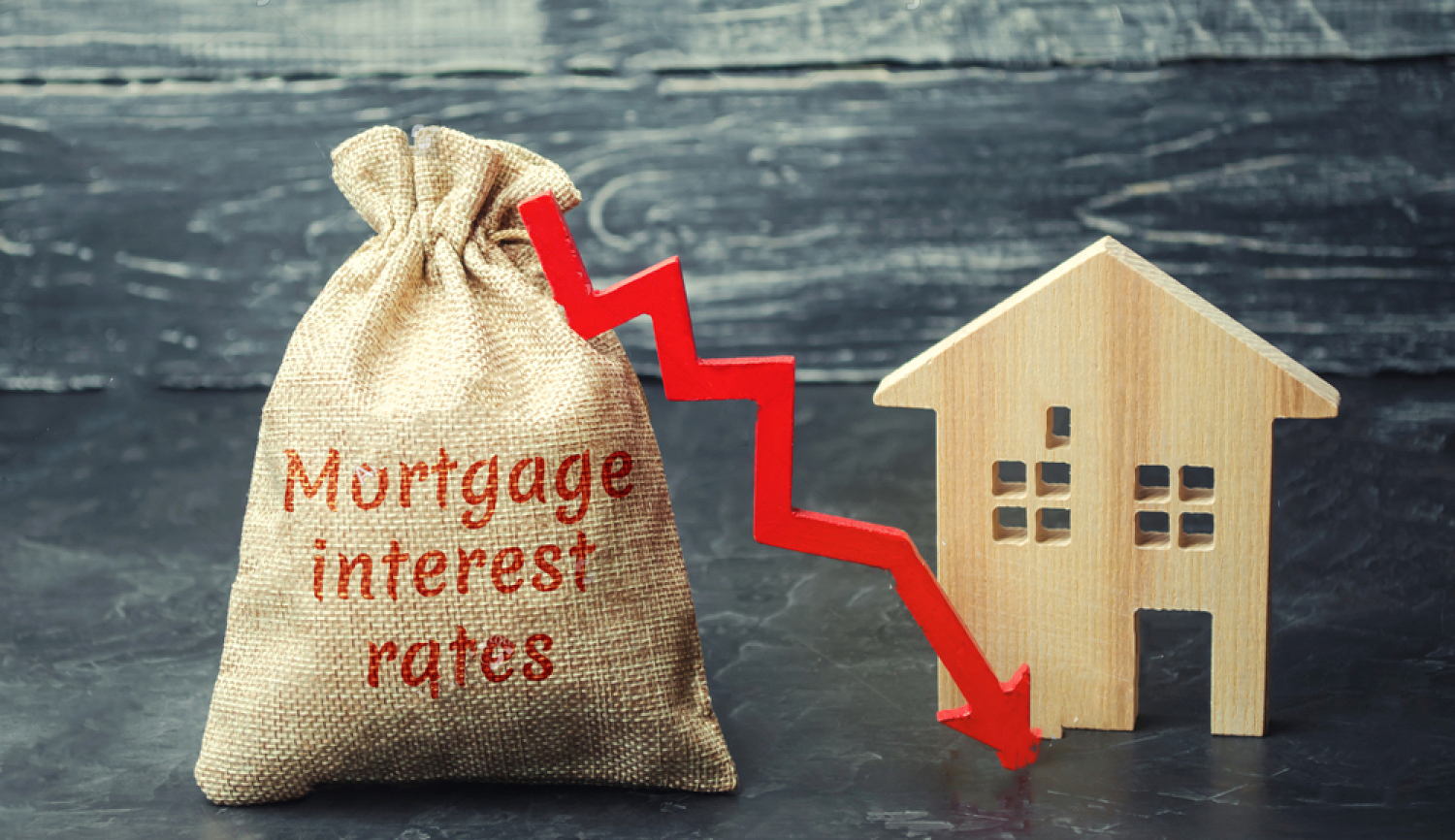
Interests Rates Extend Declines

Mortgage Rates have been been on the decline year over year, and touched a 16-month low in recent weeks. While rates have been at historic lows for quite some time now, they are once again at very low rates. Near the end of May, the 30-year fixed, the benchmark Mortgage product, was at 3.99%. Many factors are putting downward pressure on Mortgage Rates such as U.S.-Chine Trade War concerns, Brexit, and concerns of weak economic growth.

Given rates are low, now is a great time to lock in a rate if you are considering financing. We often get asked many questions from our Buyers surrounding Mortgages - what’s best for me? Is this a good rate? Given Mortgages are top of mind for many in the current environment, we sat down with Mortgage export, Donna Vitalone, a Senior Lending Officer with Citi.

Victoria Shtainer: What are some of the most important factors to consider when deciding between a fixed rate and adjustable rate mortgage - time in residence? Affordability in the future? Etc.

Donna Vitalone: A number of important factors come to mind that the borrower should consider and weigh when deciding between a fixed rate and an adjustable rate mortgage.  First and foremost is determining where you are in the human life cycle based on your age plus your marital and employment/job status.  I think it’s equally important that the borrower also take into consideration:

  • whether or not it’s the borrower’s first home;

  • the length of time the borrower expects to own the property: 5 years, 10 years, longer than 10 years;

  • is the borrower upwardly mobile or is planning to downsize; 

  • is the borrower’s job the type that could possibly require relocating at any time in the future; 

  • does the borrower have a particular objective with regard to the mortgage such as either having the flexibility to manage monthly cash flow or is likely to rapidly pay down mortgage with bonus income or receipt of a large inheritance.

Victoria Shtainer: What is the most common mistake you see Buyers make when selecting a mortgage, or the biggest misconception about Mortgage product options?

Donna Vitalone: I’d say the most common mistake buyers make when choosing a program is to regard of a mortgage as just a loan when in fact they should consider choosing the program in much the same way they would any other financial planning tool where future plans will likely be given consideration;

Among the many misconceptions the most common I hear is “avoid paying points because it’s expensive”.  However, the truth is paying points can be a smart financial planning tool for primary home buyers who, by taking advantage of federal income tax benefits, by paying points not only buy down their interest rate but also see a reduction in their taxable income.

Victoria Shtainer: If you take a fixed rate loan, and rates drop continue to drop, are you locked in, or do most fixed rates loans give borrowers the flexibility to refinance to a lower rate?

Donna Vitalone: Because most fixed rate mortgage programs do not include prepayment penalties, they give homeowners the ability to take advantage of a lower interest rate environment by refinancing their fixed rate mortgage.  However, in deciding whether to refinance the borrower should be sure to first ask the loan officer to prepare a cost benefit analysis to confirm an advantage exists. 

Victoria Shtainer: As a Buyer, should I be most concerned about my credit score as it relates to getting the best rate?

Donna Vitalone: Definitely; a buyer whose financial house in order is also a borrower with a high credit score and one the bank will regard as being low-risk.  The borrower is certain to save money by the lower interest rate that will most likely be offered by the bank.   

The opposite is true for the buyer with a lower credit score who the bank will see as a high-risk borrower that should expect to be offered a much higher interest rate.  That buyer first think about engaging a credit repair firm that works with borrowers to improve their credit score by removing the derogatory information responsible for impacting their credit.  However, planning ahead is key for the prospective borrower when choosing this approach as the credit repair process often can be a protracted one. 

Victoria Shtainer: What is a Mortgage Product you have been leaning into recently that most Buyers may not be aware exists as an option to finance?

Donna Vitalone: Well there are three programs that come to mind with the first being relationship pricing.  While talking with clients I’ll often try to identify certain eligible assets which can lead to interest rate discounts on their mortgage if moved to my bank.

Another involves buying down the interest rate by paying points because for a client whose looking to manage their monthly payment it sometimes can be a more cost effective strategy than reducing the loan amount with a larger down payment.  This recently came up with one my clients who wanted to have a specific monthly payment.  I was able to show her that spending roughly $20,000 to pay points that would buy down the interest rate turned out to be a less costly approach than reducing her loan amount by adding another $90,000 to her down payment.  Needless to say, she was thrilled. 

Last, for clients wanting liquidity to meet unexpected expenses I’m most likely to suggest taking out Home Equity Line of Credit.

About Donna Vitalone:

Donna joined Citibank in 2018 bringing with her nearly thirty years’ experience in the mortgage banking industry. She has held positions as Market Development Manager, Correspondent Account Executive, Producing Sales Manager and Mortgage Loan Officer with organizations including JPMorgan Chase, Wells Fargo Bank, and Bank of America.  During that time, she has closed over $900 million in residential mortgages and winning many production and management awards as a result. 


Inside the 47th Annual Kips Bay Decorator Showhouse

Dining Room by  Cullman & Kravis

Dining Room by Cullman & Kravis

The 47th annual Decorator Show House is underway, showcasing work from top interior designers. The Upper East Side townhouse at 36-38 East 74th Street has been completely transformed, and all for a good cause, namely the Kips Bay Boys & Girls Club. All proceeds from the events will go to the Kips Bay Boys & Girls Club which provides after school enrichment programs to more than 10,000 youth in the Bronx.

Victoria Shtainer Kips Bay Decorator Showhouse

About the Kips Bay Decorator Show House

The Upper East Side is known for its historic and grandiose townhomes, and this year’s townhouse is situated on the Gold Coast of the Upper East Side, steeped with a rich history. 36-38 East 74th Street was features a brick façade and intricate architectural details, with the likes of Cross & Cross and D. & J. Jardine having worked on elements of the home. 36-38 East 74th Street was combined into the 40-foot wide mansion it is today by Cross & Cross.

In 1948, the home was purchased by Dorothy Hearst Paley, a prominent figure in New York society at the time. She hired Swiss architect William Lescaze to modernize the interior of the townhouse and redesign the front steps.

36-38 East 74th Street is a rare townhouse on the Upper East Side, with a width of 40 feet, a two car garage, and a 40 foot wide garden. The interior is comprised of nearly 14,000 square feet with 19 rooms, 8-11 bedrooms, and 10 fireplaces across 6 levels. The home is in the heart of the Upper East Side, one block from Central Park and nearby to iconic institutions such as the Met Breuer and Frick Museum.

It is currently offered at $28,750,000.

Decorator Showhouse

Staircase by Brian Gluckstein

Staircase by Brian Gluckstein

Office by Eve Robinson Associates

Office by Eve Robinson Associates

The expansive townhouse residence has become a showcase of work from renowned interior designers that have donated their time and skill to create the beautiful spaces. The interior features 6 floors of living space which have been transformed into sumptuous space from an elegant staircase  to a luxurious dining area and attention grabbing work studio.


The Show House will be running Until May 30th 2019.

36-38 East 74th Street
Monday-Saturday: 11-5pm
Tuesday and Thursday: 11-8pm
Sunday: 12-5pm

Tickets can purchased online in advance by visiting Kips Bay Decorator Show House. Remember, all ticket proceeds benefit the Kips Bay Boys & Girls Club.

Are Glass & Steel Skyscrapers Being Banned in New York City?

de Blasio Comments on Glass Skyscrapers

Headlines have been swirling around various media outlets stating that, per Mayor Bill de Blasio, glass and steel skyscrapers will be banned in New York City moving forward. The Mayor made comments on Monday morning’s edition of Morning Joe on MSNBC where he was quoted saying, “We are going to ban the classic glass and steel skyscrapers, which are incredibly inefficient.”

This message took on various other similar forms and was picked up by multiple media outlets including a cover on the New York Post here in the city. De Blasio spoke on various media outlets using a similar tone of strong language that implied a ban. He stated that these traditional skyscrapers are contributing to global warming. This prompted many to begin to think about a New York where there would be no new glass and steel skyscrapers.

Are Glass and Steel Skyscrapers Being Banned?

The short answer: No!

The comments from de Blasio were made with very few details or facts supporting them. The Director of the Mayor’s Office of Sustainability also chimed in to clarify that there is no prohibition on buildings made of glass in New York City.

It is important to note, however, that we are likely moving in a direction that would require construction to meet certain environmental efficiency standards. City Council just passed a package of bills which was inclusive of a mandate for building retrofits to reduce carbon footprint by 40 percent by the year 2030.

We are already seeing new construction as well as construction from recent years adapting to a more sustainable model by having projects certified as various LEED levels.

LEED stands for Leadership in Energy and Environmental Design and was devised by the United States Green Building Council. This rating system is the most widely used green building rating system in the world, and the LEED certification is a globally recognized sustainability achievement.

The rating system evaluates the environmental performance of a building, and through this process, encourages market transformation. The evaluation looks at things such as materials, water efficiency, and performance such as indoor quality for occupant comfort. 

Fun Fact: 10 Hudson Yards was the first commercial office space in New York to receive the coveted Platinum LEED certification.

NYC Real Estate Tax Changes: What You Need to Know

We recently provided updates on the proposed Pied-a-terre tax that had the possibility of being passed in New York City. With the recent passing of the State budget, there has been changes to Real Estate Taxes in New York. Below is everything you need to know about the real estate tax changes as a result of the New York State budget.

Overview: The Pied-a-terre tax was not implemented. Instead, there is a newly revised and implemented Progressive Mansion Tax and Progressive Transfer Tax. This will impact those in the $2-$5M purchase range the most.

The Progressive Mansion Tax:

The new law applies to all closings that take place on or after July 1, 2019 except for those contracts that were entered into prior to April 1, 2019. This is specific to NYC contracts.

The new tax now has 8 tiers that have a higher Mansion Tax rate as purchase price escalates.

NYC Progressive Mansion Tax.jpg

The Progressive Transfer Tax:

In addition to the Mansion Tax overhaul, effective April 1, 2019, the Transfer Tax also received an overhaul.

For Residential purchases over $3 million, the NYS Transfer Tax increases from its current rate of 0.4% to a rate of 0.65%.

Additionally, for Commercial transactions greater than $2 million, the NYS Transfer Tax will increase from its current rate of 0.4% to 0.65%.

What Does it Mean for Me?

While no tax increases on property would be ideal, the above could be make less of a blow than the Pied-a-terre tax. The pied-a-terre tax would have positioned New York City as being not investor friendly and was also an annual charge -i.e. the property owner would have incurred this tax every year for owning the pied-a-terre.

As a Buyer, it is important to understand that, while yes, costs of gone up on certain transactions, these taxes are a one-time, upfront cost. The owner does not incur the Mansion Tax and Transfer tax on an annual basis as would have been the case with the pied-a-terre tax.

As was the case with the proposed pied-a-terre tax, the State has earmarked the additional revenue (expected to be $365 million) from the Progressive Mansion and Transfer Taxes to go to the failing MTA system in New York City.


As always, for questions about how taxes impact you, consult your qualified tax advisor who understands your personal financial sitaution

Pied-a-Terre Tax Looms Over New York City Luxury Real Estate Market

Thought taxes in New York City couldn’t get any higher? Think again. The Pied-a-terre tax is back on the docket, and it has recently gotten some major support that pushed it further along than what it was last a topic of discussion in 2014.

Ken Griffin made headlines when he purchased a penthouse at 220 Central Park South for $238 million, making it the most expensive home in the country. He plans to use the home when he visits his New York office. This headline also caught the attention of City Council who started discussion on the Pied-a-terre tax once again.

So, what is a Pied-a-terre and the proposed tax?

A pied-a-terre is a part-time second home occupied for less than half of the year. Often times, it is an investment for the owner and may not be occupied. Given that the owner’s primary address is elsewhere, owners of a pied-a-terre in New York are not subject to state or local income tax.

The current proposal has a sliding tax surcharge and fee for homes priced $5 million and over, with higher priced homes incurring higher fees. City and State officials cited that they feel this additional tax is necessary to fund the failing mass transit system in New York City.

 Cause for Concern

Regardless of whether you think it is fair to tax the rich disproportionately or not, a proposed tax plan should be assessed in regard to economic impact before being implemented. From a real estate perspective, there is cause for concern based on the proposal of a pied-a-terre tax in New York City.

International Buyers: International Buyers have already been on the decline in recent years, and the implementation of a pied-a-terre tax would likely prevent some would-be foreign buyers from investing in New York.

 Luxury Condos and Co-Ops: We would likely expect to see some sort of downtick in the luxury segment of the market. Just because a buyer can afford a $5 million apartment, does not mean they spend frivolously and love taxes. Why would they invest in New York when they could invest in another viable city that does not impose a pied-a-terre tax?

The luxury segment of the market has already been under pressure in recent years, so another tax could additional pressure that is not needed in this sector.

 New Development: An adverse impact on the Luxury Market would likely spill over to the New Development pipeline for luxury properties. If there is a decreased demand overall for properties $5 million and up, why would Developers be incentivized to build properties that may not sell? This, of course, would then have an impact on all the employment created within the construction sector when development is booming.

High Costs to Transact: New York City is one of the most expensive places to transact on property without the additional pied-a-terre tax. Costs associated with a real estate transaction in New York City include Transfer Tax, State Transfer Tax, Mortgage Recording Tax, Mansion Tax, and Real Property Taxes. Not to mention, under the new Federal Tax Code, the deduction of SALT has been eliminated.

 Overall, if the tax were to have an adverse impact on the real estate market for properties $5 million and up, we would likely see a reduction in value at the high end of the market. This may especially may be the case for properties that are already valued/priced near the $5 million threshold as Buyers will submit bids under $5 million to avoid the tax.

Image via Getty Images

Why You Should Re-Consider Gary Vaynerchuck's Homeownership Comments

In a recent Podcast, Gary Vaynerchuck, known for his influential role in the media and advertising space as a leading entrepreneur, made strong remarks regarding homeownership that we would urge many to think carefully about. While there are certainly use cases that make sense for favoring renting a home, most individuals benefit greatly from homeownership.

What were his remarks, and why should you reconsider? Vaynerchuck stated that he feels buying a home is not an effective use of capital. He went so far as to state that he would rent for the rest of his life and never buy a home again.  

What You Should Consider

This is obviously a very strong statement made by Vaynerchuck as many view homeownership as part of the American Dream. When thinking about both his position and homeownership here is what you should consider:

Vaynerchuck’s Industry: Gary Vaynerchuck garnered most of his success as a tech entrepreneur. Starting companies, being an investor, etc. requires upfront capital needs that someone outside of this type of profession would not need. Thus, tying up a large portion of cash in the form of a down payment may not make sense for an investor that needs to remain more liquid. Additionally, one would reasonably expect that a tech entrepreneur would require one to be quite mobile in terms of traveling, so they would be less inclined to want to be tied down than the average person.

Equity: When you purchase a home, you are building equity in the home. Your monthly mortgage payments are going towards ownership, an asset that will be yours. When you rent, you pay your monthly rent which goes in your Landlord’s pocket – you are not working towards owning anything. Over the long term, homeownership has been the most influential vehicle for driving wealth accumulation. We have seen that, over a long time horizon, home values tend to increase, thus increasing the owner’s wealth.

Homeownership Is Not Dead: Most Americans still want to buy a home, and homeownership does make sense for a lot of people. However, the Millennial generation is struggling with homeownership because this generation is burdened with exorbitantly high student debt, coupled with high rents and costs of living in most job-hub city which makes saving for a down payment challenging for this group. As a result, Millennials are buying homes at a slower rate which leads some to believe that homeownership is dead.


That is not to say that some of Gary V’s points are not valid when put into perspective. When thinking about liquidity, we would not recommend someone purchase a home that they cannot afford. If the down payment of a home will put you in a bad financial situation, you should likely reassess your budget to ensure you are buying a property that makes sense for you financially.  

Additionally, there are use cases for renting homes that also make sense for a lot of individuals. We can conduct rent vs. buy analysis that can help clients decide what makes the most sense for them. One of the biggest things to consider when thinking about renting vs. buying is time – are you planning to only be in this location for, say, 5 years? If so, taking on a 30-year mortgage to buy a home, etc. may not make sense and renting would be more suitable if you know you are going to be changing locations relatively soon.